Description
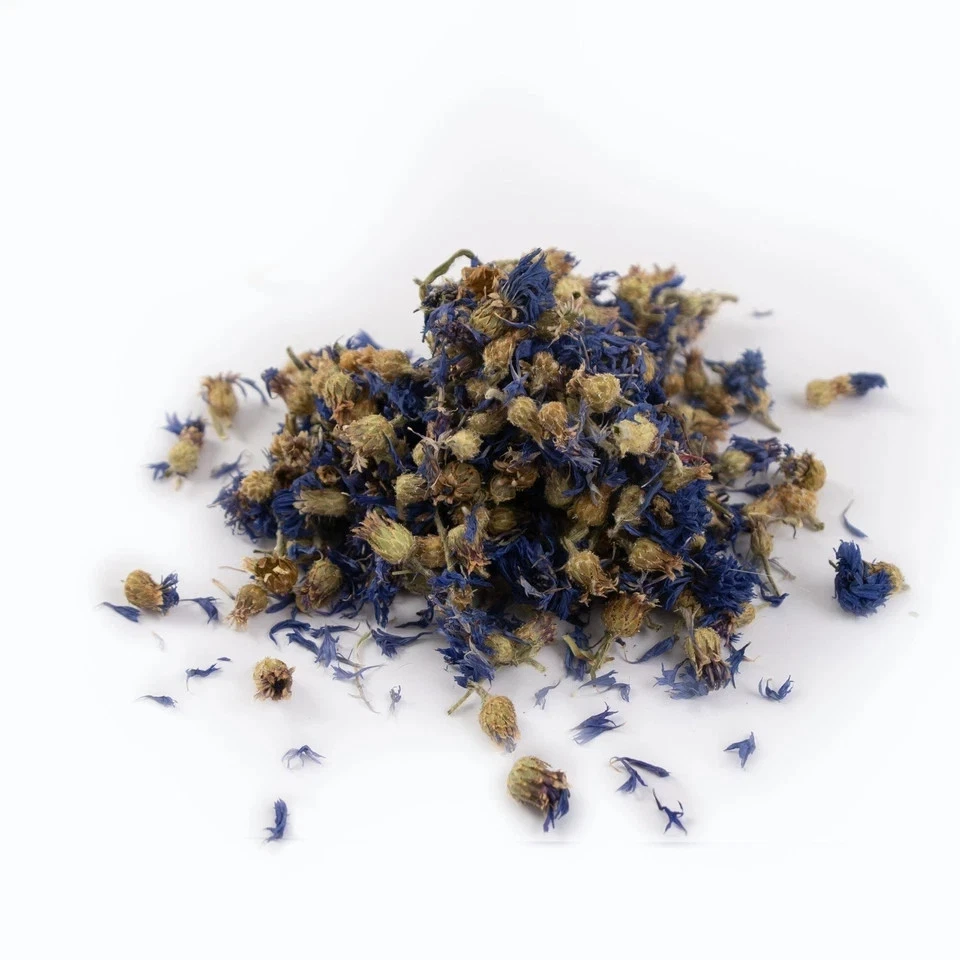
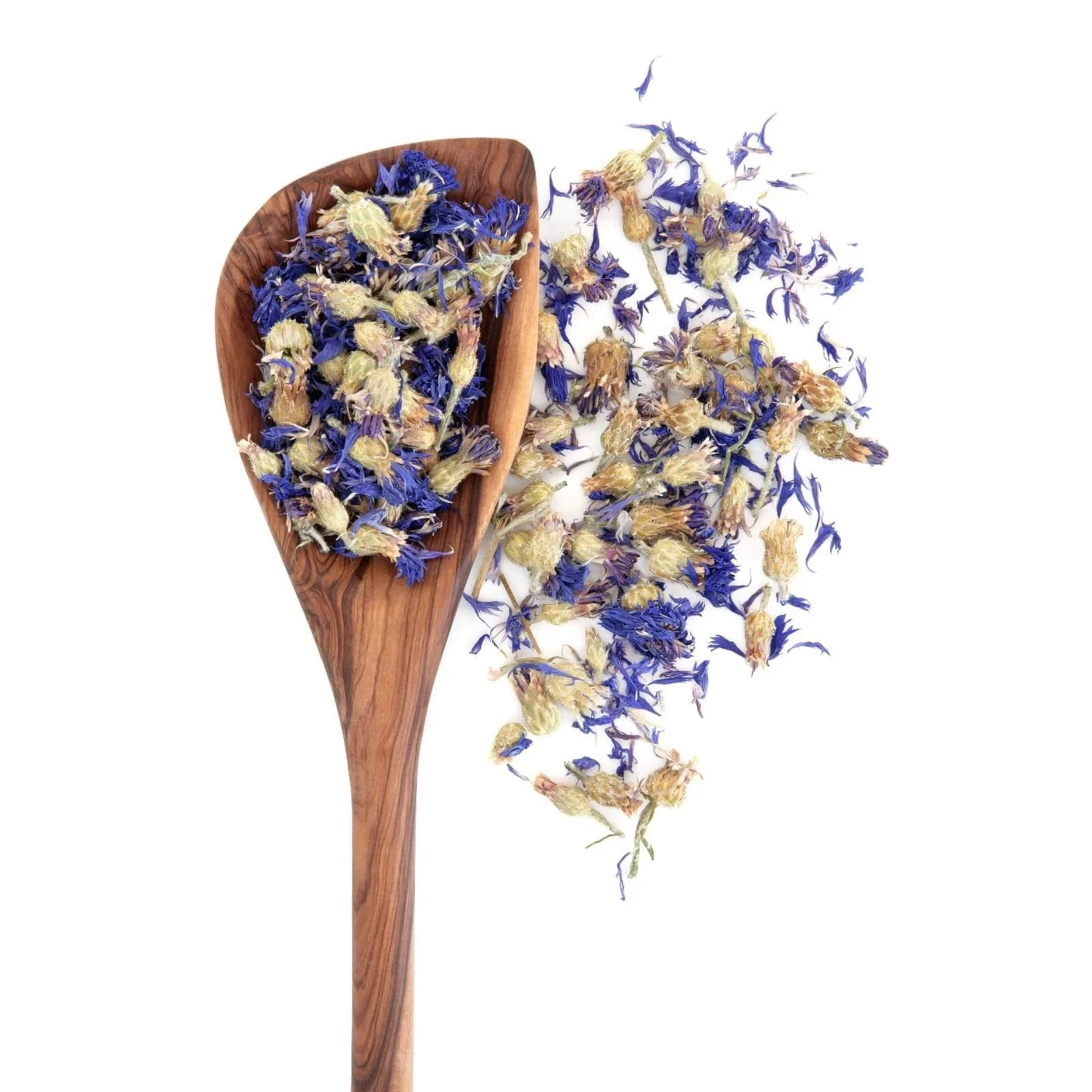
Cornflowers Blue Whole Centaurea cyanus Flowers Premium Quality 100% Pure are naturally dried edible flowers with a vibrant blue colour and delicate floral appearance. Free from preservatives and artificial additives, they are perfect for herbal tea, baking, cake decoration, cocktails, botanical crafts, and gourmet recipes.
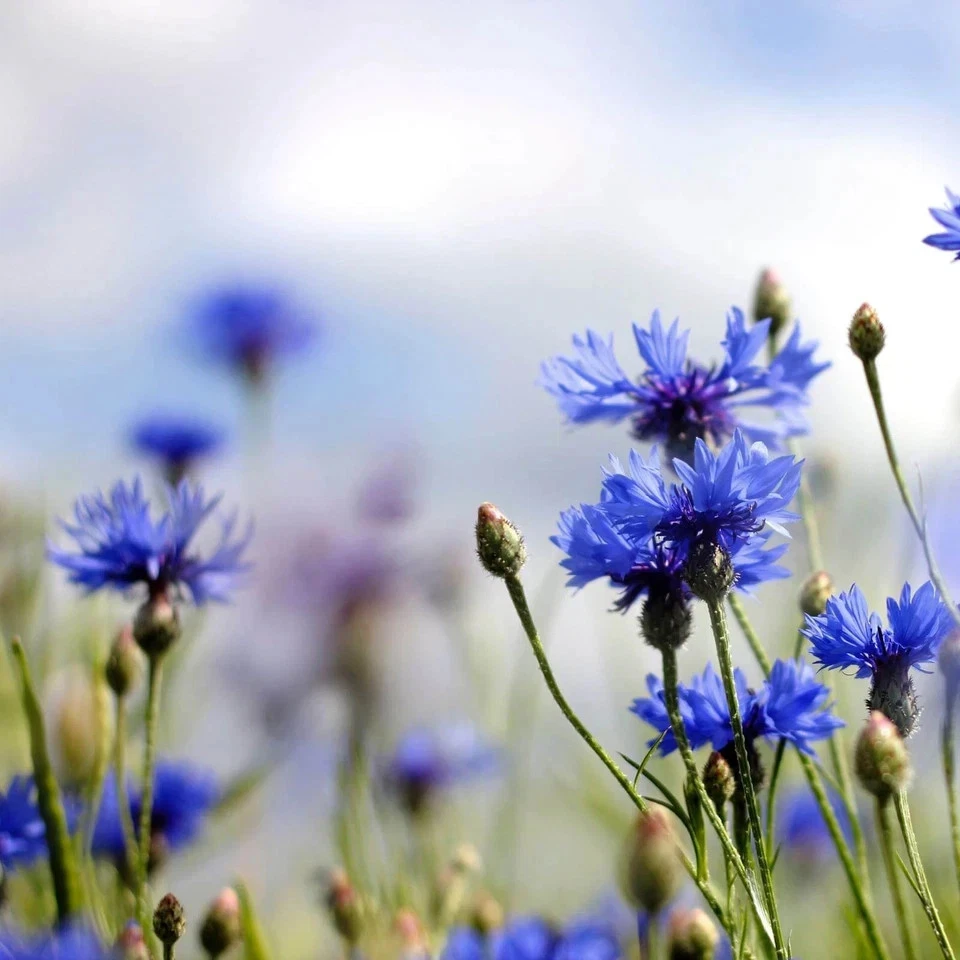
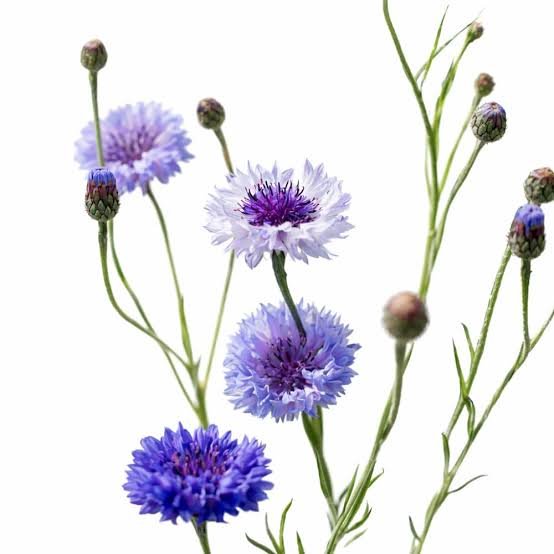
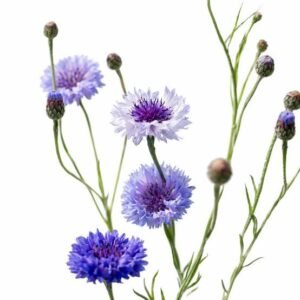
The blue cornflower, Centaurea cyanus, is part of the Asteraceae family. Native to Europe, this attractive plant has similar foliage to a daisy, which blooms between late spring and late summer. Otherwise known as Bachelor’s Button, cornflower is a popular and desirable wildflower – and not just among humans. Bees, butterflies and other pollinators can be seen flocking to them every summer.
History and background
Once considered a weed of arable fields, the development of intensive agricultural practices nearly wiped out the blue cornflower in the wild. This delicate flower is now most likely to occur as a garden escapee, as part of intentional wildflower seeding, or as the result of the disturbance of soil containing old seed banks.
Its strongholds remain roadside verges, scrub, waste ground and farmland. It flowers from June to August, often alongside other ‘arable weeds’. Like all members of the daisy family, the bright blue flowers of the cornflower are actually composite heads of small flowers. In the cornflower, the outer florets are star-like, and smaller, more purplish flowers are found in the middle. Stems and leaves are long and pointy, with hairy, blackish buds at the tips.
How to use dried blue cornflowers
This dried flower is edible and are often used to add colour to food and drink, but they are also believed to have medicinal properties. For example, it’s thought that the plant has calming, diuretic, anti-diarrhea and anti-inflammatory effects; over the years, they’ve been used to treat everything from diarrhoea to eye irritation.
Culinary Herbs & Spices
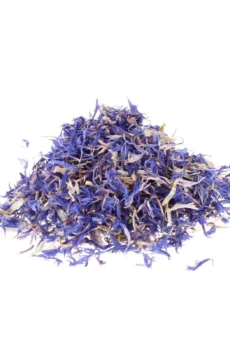
The flowers of Centaurea cyanus can be eaten raw, dried or cooked. Dried petals are used in teas and spices. Their main purpose is to add color to the drinks or foods. There are cheeses or oils that contain raw petals. Petals can also be added to salads, drinks or deserts for garnishing purposes in raw or dried form.
Health & Beauty
Cornflowers have phytotherapeutic importance in human and veterinary medicine. It is believed their active principles have a diuretic, anti-diarrhea, anti-inflammatory (especially in ophthalmology), and a calming role. For internal use, they are recommended in diarrhea, dyspepsia, kidney and bladder disorders and external use against eye irritation.
Arts & Crafts
Blue cornflowers are edible and can be used to add colour to food and drinks or a garnish. They can be used in pot porries, for decorations or natural confetti.
Flowers & Fragrances
Blue cornflowers can be used in pot porries, for decorations or natural confetti. Cornflowers are edible.
Kindly note photographs and related text details are for illustrative example only. Being natural products the actual colour, shape, size, origin and shelf life may vary from that displayed. we make no warranty as to the suitability of any material for any particular use.
Chamomile Flower Tea Click Here
Hibiscus sabdariffa Dried Flowers Click Here
Learn More
- World Health Organization (WHO)
- National Institutes of Health (NIH)
- USDA FoodData Central
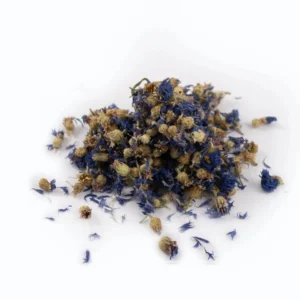
Premium Cornflowers Blue Whole Centaurea cyanus Flowers for herbal tea, baking, cocktails, and decoration.
Reviews
There are no reviews yet.